Made-to-Measure vs Bespoke: What's the Difference?
Both mean 'made for you' — but one adapts a proven pattern and the other builds a new one. Which you need depends on your body, your budget and your patience.
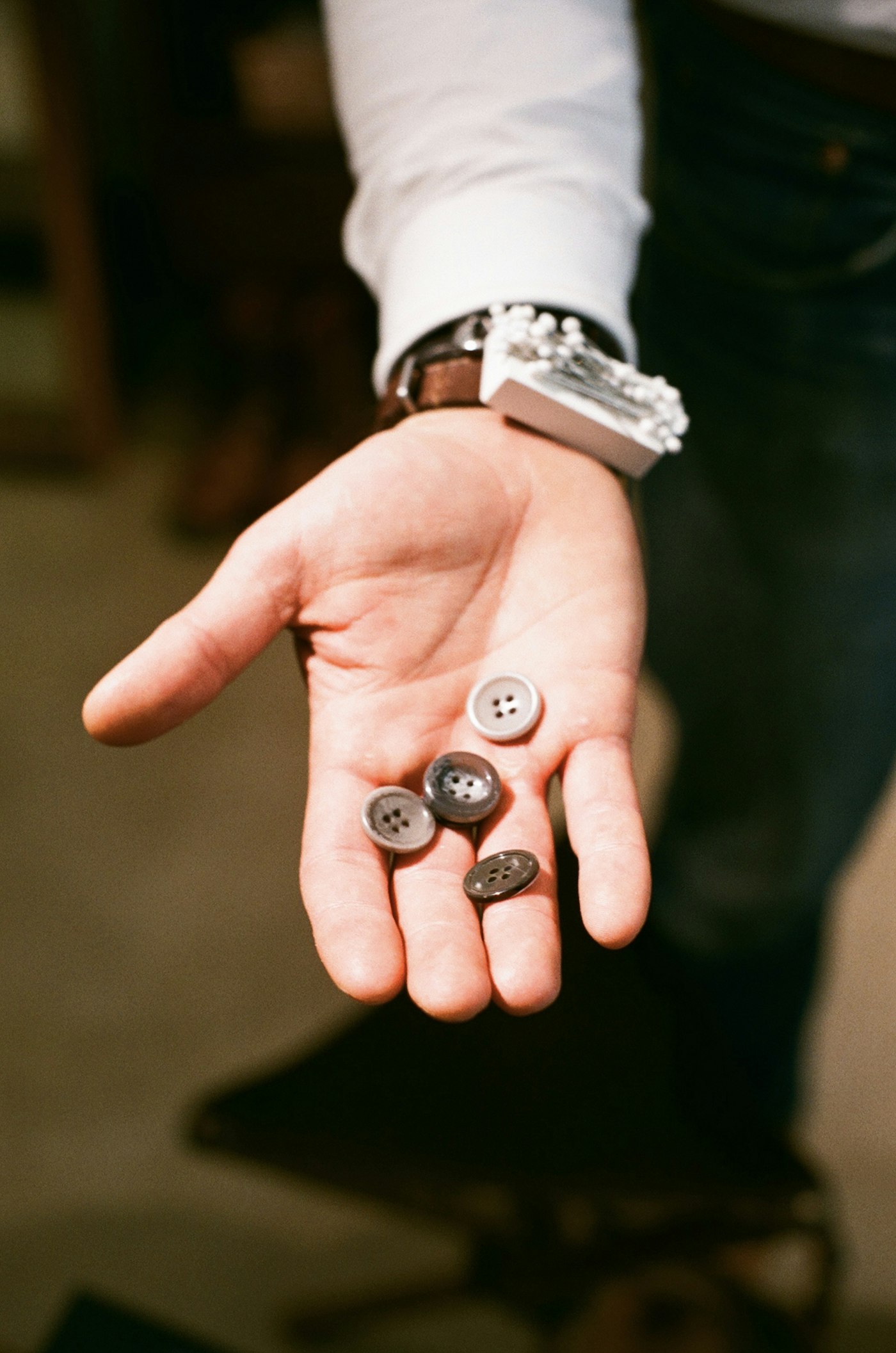
The two phrases get used interchangeably, and shops rarely explain the difference. Here it is, plainly.
Made-to-measure
Made-to-measure starts from an existing base pattern that a house has refined over thousands of garments. That pattern is then adjusted to your measurements — chest, waist, shoulder, sleeve, length — and cut for you alone. You get an excellent, personal fit without the time or cost of building a pattern from nothing. It's the right choice for most men, most of the time.
Bespoke
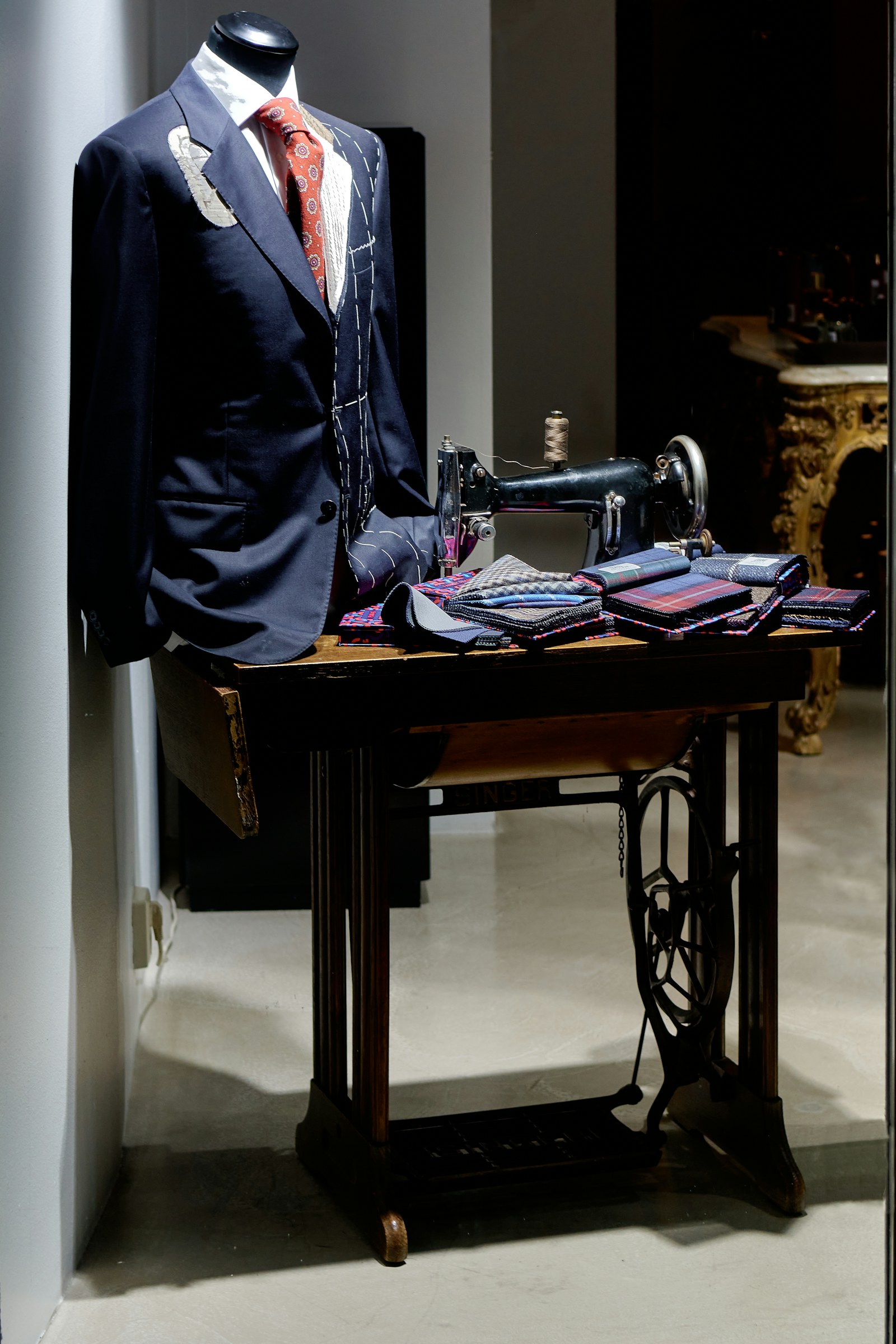
Bespoke builds a unique paper pattern from scratch, drafted to your body's particular shape across two or three fittings. It accounts for a dropped shoulder, a fuller seat, a long neck — the things a base pattern can only approximate. It takes longer and costs more, and it rewards men whose proportions sit outside the standard range, or who simply want the finest possible result.
How they compare
Pattern: made-to-measure adapts a proven block; bespoke drafts a new one. Fittings: made-to-measure often needs none; bespoke needs two or three. Time: two to three weeks versus six to eight. Price: made-to-measure is a fraction of bespoke.
What Khwaab offers
Khwaab is an online made-to-measure house — you design your garment, we take your measurements at home or by video, and we deliver across India. For the full bespoke route, we offer in-person fittings on request. Most men start made-to-measure and never need more.